US Climber's Body Recovered Following Devastating Pakistan Avalanche
A US climber's body has been recovered following a catastrophic Pakistan avalanche. Two other climbers found; search continues for missing mountaineers.
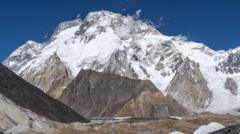
US Climber Recovered in Pakistan Avalanche Aftermath
The Pakistan avalanche disaster has claimed additional lives as rescue teams continue their difficult operations in the mountainous region. A US climber's body was recovered following the catastrophic incident that struck the high-altitude peaks, marking another tragic loss in what has become one of the most severe climbing accidents in recent memory at the site.
Rescue efforts have intensified across the affected terrain as search and recovery operations proceed under challenging weather conditions. The Pakistan avalanche has resulted in multiple casualties, with recovery teams working around the clock to locate and retrieve victims from the snow-covered slopes. International coordination between Pakistani authorities and foreign rescue specialists has been established to manage the extensive search operation.
Multiple Recoveries and Ongoing Search Operations
Two additional climbers have already been successfully recovered from the mountain during the initial phases of the rescue mission. These recoveries represent significant progress in what continues to be a complex and dangerous operation. The Pakistan avalanche, which struck with devastating force, has left a widespread area of concern for rescue personnel operating at extreme altitudes.
The search continues for several other mountaineers who remain unaccounted for following the incident. Rescue teams are navigating treacherous conditions and unstable snow formations as they expand their search radius across the affected slopes. Each recovery operation brings new challenges, as the Pakistan avalanche has created unpredictable terrain and ongoing avalanche risks that complicate rescue efforts.
International Response to the Climbing Disaster
The incident has prompted swift responses from international mountain rescue organizations and government agencies. The US climber's body recovery represents coordination between American authorities and Pakistani emergency services, demonstrating the collaborative nature of modern rescue operations. Communication channels between nations have been activated to support family notifications and ensure proper handling of recovered individuals.
Specialized mountaineering rescue teams from multiple countries have been mobilized to assist in the operation. These professionals bring expertise in high-altitude recovery, avalanche terrain assessment, and victim location techniques. The Pakistan avalanche has required mobilization of resources typically reserved for the most severe mountain emergencies.
Risks and Challenges in High-Altitude Recovery
Recovery operations following a Pakistan avalanche present extraordinary dangers to rescue personnel. Secondary avalanche risks remain elevated, and weather conditions at altitude are unpredictable and frequently hazardous. Teams must balance the urgency of locating missing climbers with the safety requirements necessary to prevent additional casualties among rescuers.
Environmental conditions at the site continue to evolve as temperatures fluctuate and new precipitation accumulates. The Pakistan avalanche's impact extends across a broad area, requiring teams to conduct systematic searches across multiple zones. Equipment limitations and logistical challenges inherent to remote, high-altitude operations complicate every aspect of the recovery mission.
Support for Affected Families and Communities
Authorities have established support services for families of the missing and deceased climbers. The US climber's body recovery brings closure to one family while uncertainty continues for others awaiting news of their loved ones. Mental health support and counseling services have been made available to family members and rescue personnel affected by the incident.
The climbing community has responded with expressions of solidarity and offers of assistance. Mountain guides, fellow climbers, and expedition companies have made statements regarding the tragedy. The Pakistan avalanche has reignited discussions about climbing safety protocols, avalanche forecasting, and the inherent risks of extreme-altitude mountaineering.
Ongoing Investigation and Future Implications
Preliminary investigations are underway to determine the specific factors that contributed to the Pakistan avalanche and its severity. Meteorological data, terrain assessments, and climbing reports will be analyzed to understand the conditions that preceded the disaster. This information will be crucial for improving future safety measures and warning systems in the region.
The incident will likely influence discussions regarding climbing permits, mandatory safety briefings, and group size restrictions on popular mountains. The Pakistan avalanche serves as a stark reminder of the power of natural forces and the importance of comprehensive risk management in mountaineering activities. Future expeditions may implement additional precautions and follow more conservative approaches to route selection and timing.


