Spanish PM Points to Traffickers as 60,000 Migrants Arrive
Spain's Prime Minister attributes migrant surge to traffickers as 60,000 reach Ceuta from Morocco. Most return as Italy suspends Schengen agreement.
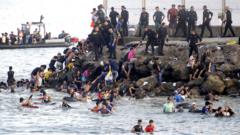
Spanish Government Response to Unprecedented Migrant Surge
Spain's government has directed responsibility toward human smugglers following an extraordinary wave of migration, with approximately 60,000 migrants reaching Ceuta from Morocco in a single event. The country's Prime Minister attributed the crisis directly to traffickers operating across the Mediterranean, emphasizing their role in organizing and facilitating the unprecedented movement of people across international borders.
Rapid Return of Migrants to Morocco
According to official statements from Spanish authorities, the vast majority of individuals who crossed into the Spanish enclave had returned to Morocco by Friday evening. This development suggested that many migrants faced immediate barriers or reassessment of their circumstances upon arrival in Spain, leading to voluntary or assisted returns across the Strait of Gibraltar. The rapid reversal of migration patterns differed from previous incidents where sustained population presence created long-term administrative challenges for local authorities.
Italy's Schengen Suspension Creates Regional Tension
The migration incident triggered a swift diplomatic response from Italy, which announced the suspension of its Schengen agreement on free movement with Spain. This decision represented a significant escalation in European border tensions, as the Schengen Area typically allows unrestricted movement between participating nations. Italy's action indicated growing concerns about secondary migration—the movement of individuals from one European country to another—and reflected mounting pressure on Mediterranean nations managing migration flows.
Understanding the Schengen Framework Impact
The Schengen agreement suspension carried substantial implications for both Spain and Italy, affecting not only migrants but also legitimate cross-border commerce and travel. By temporarily halting free movement protocols, Italy signaled its frustration with what officials perceived as inadequate Spanish border management. This unilateral action demonstrated how migration crises could fragment European unity and create bilateral disputes among member states.
Trafficker Networks and Organized Movement
Spanish officials pointed to sophisticated criminal networks as the primary orchestrators behind the coordinated surge. These traffickers allegedly leveraged multiple factors—including economic desperation in Morocco, perceived opportunities in Europe, and information networks—to encourage and organize the crossing. Law enforcement acknowledged that combating these networks required international cooperation, intelligence sharing, and coordinated border enforcement efforts that extended beyond Spain's borders.
Border Security and Regional Challenges
Ceuta, Spain's tiny North African enclave, faced particular vulnerability due to its geographic position and limited border infrastructure. The autonomous city's location directly opposite Morocco created natural conditions for migration attempts, especially when organized by smuggling operations with resources and planning. Spanish authorities emphasized the need for enhanced security measures and regional cooperation to prevent similar incidents.
Broader European Migration Context
The incident occurred within a broader pattern of Mediterranean migration challenges affecting multiple European nations. Spain, Italy, and Greece had consistently served as primary entry points for individuals seeking refuge or economic opportunity in Europe. Each spike in migrant arrivals tested the capacity of these frontline nations and their diplomatic relationships with European partners.
The government's emphasis on trafficker responsibility highlighted a key distinction in migration discourse—differentiating between individuals seeking better lives and the criminal organizations profiting from their vulnerability. This framing influenced public perception and policy discussions surrounding border control and asylum procedures.


