Passenger Recalls Terror on British Airways Mayday Flight
A British Airways passenger reveals frightening moments during emergency landing at Heathrow. Read firsthand accounts of the mayday flight incident and safety r...
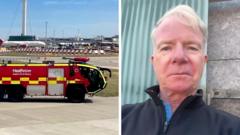
Passenger Describes Harrowing Moments During British Airways Mayday Flight
A traveler aboard the British Airways mayday flight has shared a gripping account of the anxiety and panic experienced during an emergency descent into London's Heathrow Airport earlier this month. The passenger, identified as Edward Killiwick, recounted the disturbing moments when the aircraft issued a formal distress call while en route, triggering emergency procedures that ultimately concluded with a safe landing.
Firsthand Account of the Emergency
Killiwick detailed the terrifying atmosphere inside the cabin as the British Airways mayday flight encountered serious difficulties mid-flight. Passengers aboard the aircraft experienced extreme tension as crew members prepared for an emergency landing, with some travelers voicing their deepest fears aloud. The emotional intensity escalated as occupants realized the severity of the situation unfolding around them.
The witness account highlights how passengers reacted when informed of the impending emergency landing. One individual's distressed exclamation, expressing a fundamental fear of mortality, resonated throughout the cabin and underscored the gravity of the circumstances affecting everyone aboard. Such raw emotional responses underscore the psychological impact aviation emergencies have on those traveling by air.
Emergency Response and Safe Landing
Despite the alarming nature of the distress signal, emergency protocols functioned as intended. The aircraft successfully navigated toward London Heathrow, one of Europe's busiest airports, where emergency services stood ready to respond to any potential complications. The British Airways mayday flight touched down safely, allowing all passengers and crew to evacuate without reported casualties.
The successful resolution of the emergency demonstrates the effectiveness of modern aviation safety systems and crew training. Emergency responders at Heathrow were positioned and prepared for potential worst-case scenarios, ensuring that if assistance became necessary, it would be immediately available. The coordinated response between flight crews, air traffic control, and ground personnel exemplifies standard procedures that have been refined over decades of aviation experience.
Passenger Recovery and Support
Following the safe landing of the British Airways mayday flight, attention turned to passenger wellbeing and recovery from the traumatic experience. Airlines typically provide support services to affected travelers, recognizing that emergency situations can result in lasting psychological impacts. Passengers required time to process the ordeal and return to normal routines following such a frightening occurrence.
Killiwick's willingness to publicly discuss his experience aboard the emergency flight provides insight into what passengers endure during aviation crises. His account serves as a reminder of the human dimension of aviation incidents, beyond technical details and safety statistics. The emotional toll on travelers during such events deserves acknowledgment and understanding from the broader public.
Aviation Safety Standards and Protocols
The incident involving the British Airways mayday flight reinforces the importance of rigorous safety standards maintained across international aviation. Modern aircraft are engineered with multiple redundant systems designed to handle emergencies gracefully. When unexpected situations develop, crew training enables pilots and flight attendants to execute established procedures that prioritize passenger security.
Regulatory bodies continuously evaluate aviation incidents to identify opportunities for improvement. The mayday signal itself represents a critical communication tool that alerts authorities to potential dangers, enabling rapid mobilization of rescue resources. This standardized emergency communication system has proven invaluable throughout aviation history, allowing crews to declare their status and receive appropriate support.
Broader Implications for Air Travel
While the British Airways mayday flight incident concluded positively, it raises questions about passenger confidence in air travel safety. Statistical evidence demonstrates that aviation remains among the safest transportation modes available, with millions of flights completing uneventfully annually. However, dramatic incidents captured public attention and understandably influence traveler perceptions.
The recovery and continued operation of services following the mayday flight event reflects the resilience of aviation infrastructure and the professionalism of industry personnel. British Airways has maintained its operational standards while supporting affected passengers through their recovery process. The airline's response to the emergency situation demonstrates commitment to both safety and customer care.