Labour Secures Decisive Greater Manchester Mayoral Victory
Labour's Bev Craig wins Greater Manchester mayoral byelection decisively, succeeding Andy Burnham and reclaiming support in key areas lost to Reform UK.
Labour Dominates Greater Manchester Mayoral Byelection
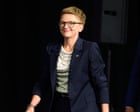
The Greater Manchester mayoral byelection has concluded with a commanding victory for Labour's candidate Bev Craig, who will now assume one of the most significant leadership positions outside the Westminster Parliament. Craig's success represents a decisive reversal of the political landscape following the May elections, when alternative parties made notable inroads across the region.
The results demonstrate Labour's ability to consolidate support in traditionally strong areas while simultaneously recapturing constituencies where other parties had gained ground. Bev Craig, currently serving as leader of Manchester city council, emerged as the clear frontrunner and will transition into the role vacated by Andy Burnham, inheriting substantial executive authority over the Greater Manchester Combined Authority.
Strategic Wins Across Key Areas
The victory's significance extends beyond the raw vote count, with Labour successfully restoring its influence in neighborhoods and constituencies where Reform UK and the Green Party had achieved notable results during the previous electoral cycle. This tactical recovery suggests that voters returned to Labour's fold, responding to the party's campaign messaging and local commitments.
Craig's campaign effectively addressed concerns that had driven some voters toward alternative candidates, emphasizing Labour's track record in managing regional affairs and delivering local services. The Greater Manchester mayoral byelection outcome indicates that centrist and left-leaning voters consolidated their support behind the Labour candidate rather than fragmenting across multiple parties.
Bev Craig's Ascendancy and Leadership Vision
As Manchester city council leader prior to this election, Bev Craig had established herself as a prominent figure in local governance, overseeing significant municipal decisions and policy implementation. Her trajectory toward the Greater Manchester mayoral byelection represented a natural progression within Labour's regional hierarchy, building on her existing credibility and administrative experience.
Craig's victory provides her with control over budgets, strategic development initiatives, and cross-authority coordination spanning the Greater Manchester region. The mayoral office commands influence over transport planning, economic development, skills training, and public health strategies affecting millions of residents across the metropolitan area.
Andy Burnham's Legacy and Transition
The Greater Manchester mayoral byelection marks the conclusion of Andy Burnham's tenure, who had previously occupied this influential position. Burnham's exit created the vacancy that prompted this special election, allowing the regional electorate to directly determine his successor rather than having a replacement selected through party mechanisms.
Burnham's departure represents a significant shift in the region's political leadership, with his successor inheriting both the institutional frameworks he established and the policy agenda he advanced. The transition occurs at a critical moment for the Greater Manchester authority, with emerging challenges in transport infrastructure, housing development, and economic resilience demanding immediate attention.
Implications for Regional Politics
Labour's performance in the Greater Manchester mayoral byelection carries broader implications for the party's positioning in the Northwest and its ability to maintain control over major metropolitan authorities. The recovery of areas that recently shifted toward Reform UK demonstrates that voter migration toward alternative parties remains reversible under appropriate circumstances.
The result suggests that local governance records, candidate credibility, and community engagement remain influential factors in determining electoral outcomes, even in constituencies experiencing political volatility. Bev Craig's mandate now extends to addressing the specific grievances and policy priorities that prompted voters in certain areas to explore alternative political options earlier in the year.
Looking Forward
Craig's administration will inherit existing frameworks while establishing her own strategic direction for the Greater Manchester mayoral office. Her priorities, resource allocation decisions, and approach to regional collaboration will shape the authority's trajectory over the coming years, influencing development patterns, service delivery standards, and economic opportunities across the region's constituent councils.