Hundreds Evacuated by Sea From Greek Wildfire Crisis
Over 500 tourists escape Greek wildfire by boat from Agios Vasileios. Emergency evacuations continue as blazes spread across Europe. Latest updates here.
Hundreds Evacuated by Sea From Greek Wildfire Crisis
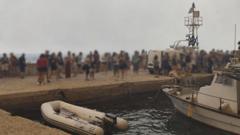
A major Greek wildfire evacuation operation unfolded as approximately 500 people, predominantly tourists, were rescued by maritime vessels from the coastal village of Agios Vasileios. The emergency response marked a critical turning point in the ongoing fire emergency threatening communities across the Mediterranean region.
Emergency Maritime Response to Greek Wildfire
The Greek wildfire evacuation operation demonstrated the coordination between local authorities and maritime rescue teams. Boats were dispatched to extract stranded visitors who found themselves unable to leave via traditional land routes as flames encircled their location. The seaside community of Agios Vasileios became a focal point for emergency personnel coordinating the complex rescue mission.
Tourist Evacuation: Scale and Scope
The scale of the wildfire Europe crisis became evident when authorities confirmed that the majority of evacuees were international visitors caught off-guard by the rapidly advancing inferno. Families, couples, and individual travelers were gathered at the shoreline where rescue vessels awaited. The tourist evacuation boat operations continued throughout critical hours as conditions remained volatile and unpredictable.
Coordination and Challenges
Maritime rescue personnel faced significant challenges navigating smoke-filled skies and coordinating with multiple agencies. Each tourist evacuation boat expedition required careful planning to ensure passenger safety while maximizing evacuation capacity. The rescue teams worked tirelessly to transport individuals from dangerous zones to secure harbors where medical assistance and temporary shelter awaited them.
Broader European Wildfire Crisis
The wildfire Europe phenomenon extended beyond Greece, with blazes reported across multiple Mediterranean nations. The combination of extreme heat, low humidity, and challenging terrain created perfect conditions for rapid fire spread. Emergency services throughout the region remained on high alert, preparing for potential escalation of the crisis.
Mediterranean Fires Impact
Mediterranean fires have created unprecedented challenges for coastal communities and emergency management agencies. The Greek incident represented one of the most dramatic moments in the broader European fire season, highlighting vulnerabilities in tourism-dependent areas where visitor populations can strain evacuation infrastructure.
Greece Emergency Response Framework
The Greece emergency response mobilized resources across multiple sectors. Civil protection agencies coordinated with naval forces, coast guard personnel, and local authorities to ensure organized and efficient evacuations. Strategic positioning of rescue vessels along vulnerable coastlines proved instrumental in preventing what could have become a catastrophic loss of life.
Local Authority Actions
Municipal officials in affected areas issued evacuation orders and worked to establish safe zones. The Greece emergency protocols included establishing communication channels with tourists, providing real-time information updates, and directing people toward designated assembly points where rescue operations concentrated their efforts.
Conditions and Environmental Factors
Meteorological conditions significantly influenced the wildfire's behavior and the evacuation timeline. Wind patterns pushed flames toward populated areas, while extreme temperatures accelerated fire progression. The combination of these environmental factors created urgency that drove emergency operations to unprecedented levels of intensity.
Recovery and Next Steps
Following successful maritime rescues, authorities shifted focus toward establishing temporary accommodation and providing humanitarian assistance to evacuees. Medical teams screened individuals for injuries and heat-related complications. The broader question of rebuilding affected communities and preventing future incidents remained at the forefront of official discussions.
Lessons and Preparedness
The crisis underscored the importance of maintaining robust evacuation protocols and maritime rescue readiness. Communities with significant tourist populations must balance accessibility with preparedness for natural disasters. The incident will likely prompt review of emergency procedures and resource allocation across European coastal regions.
As the Greek wildfire evacuation operation concluded with all identified persons removed from immediate danger, the continent continued grappling with an unprecedented fire season. The successful maritime rescue operation offered a beacon of hope amid challenging circumstances, demonstrating the resilience of emergency services and the courage of rescue personnel operating under dangerous conditions.


