Healey's 2026 Budget: Tax Hikes on Banks and Landlords Fund £100 Winter Relief
Chancellor John Healey raises taxes on financial institutions and landlords to deliver £100 payments to 20 million households amid ongoing cost of living crisis...
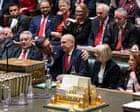
Chancellor Healey Announces Major Fiscal Adjustments in 2026 Budget
In a significant fiscal announcement, Chancellor John Healey has unveiled his inaugural budget strategy, which centers on Budget 2026 tax increases targeting financial institutions and property sector landlords. The government plans to redirect these revenue streams toward providing £100 winter assistance payments to approximately 20 million households across the nation, addressing the persistent challenges of the cost of living crisis.
The budget presentation emphasized global economic turbulence as the primary driver behind prolonged inflationary pressures. Healey attributed mounting energy costs and household financial strain to international circumstances, particularly tensions affecting global oil and gas markets. This framing underscored the administration's position that external factors continue to constrain domestic economic recovery.
Tax Strategy and Revenue Generation
The Chancellor's fiscal approach introduces targeted taxation measures aimed at the banking sector and residential landlords. These groups have been identified as key contributors to the new revenue mobilization strategy. By increasing tax burdens on financial institutions, the government seeks to capture additional funds without placing direct pressure on working households already struggling with elevated living expenses.
Landlords similarly face enhanced taxation under the revised fiscal framework. This measure reflects broader policy considerations regarding housing market dynamics and wealth distribution. The combined effect of these targeted increases is projected to generate sufficient revenue streams to fund the winter support program without requiring broader income tax adjustments.
Winter Support Package for Millions
The £100 payment initiative represents a direct intervention designed to provide immediate relief during the challenging winter months. With 20 million families qualifying for these payments, the government targets a substantial portion of the population most vulnerable to energy price volatility and reduced purchasing power. The financial assistance arrives at a critical juncture when heating costs reach their annual peaks.
This distribution mechanism demonstrates the government's commitment to tangible household support measures. Rather than relying exclusively on indirect economic stimulus, the administration has opted for direct cash transfers. The timing of these payments—concentrated during winter—prioritizes the season when energy consumption and associated costs reach maximum levels.
Economic Outlook and Global Context
Official economic forecasts accompanying the budget announcement reveal concerning long-term projections. The outlook suggests that cost of living pressures will persist throughout the forecast period, with no immediate resolution anticipated. This grim assessment reflects the structural nature of current economic challenges rather than temporary disruptions.
The Chancellor specifically referenced ongoing geopolitical tensions, particularly developments in Iran, as contributing factors to energy market instability. International conflict situations have demonstrated their capacity to disrupt global energy supplies, thereby exerting upward pressure on commodity prices. These external shocks cascade through energy markets, ultimately affecting household bills and consumer purchasing power across the economy.
Government Priorities and Policy Direction
The budget announcement illustrates the government's prioritization framework within fiscal constraints. By selecting banks and landlords as primary revenue sources, policymakers have made deliberate choices about distributional fairness and economic incentives. The administration argues this approach balances the need for public resources while maintaining growth potential in preferred sectors.
The winter relief program signals renewed emphasis on direct household support mechanisms. This represents a departure from some previous policy approaches that relied more heavily on supply-side measures or indirect support systems. The immediate nature of cash transfers enables rapid impact on household finances during critical periods.
Implications for Financial and Property Sectors
Banks face increased tax obligations under the revised fiscal structure. This development may influence financial sector profitability metrics and potentially affect investment decisions within the industry. However, the government maintains that such measures reflect appropriate contributions from highly profitable sectors during periods of general economic strain.
The landlord tax measures introduce additional compliance and financial obligations for property owners. Depending on implementation details, these changes could influence residential property investment patterns and rental market dynamics. Property market participants will need to reassess investment returns and portfolio strategies in light of these new fiscal burdens.
Addressing Household Hardship
The £100 payment structure demonstrates direct governmental response to household hardship documented across income groups. Even moderate-income families have experienced genuine financial pressure from cumulative price increases in essential services. The relief payments acknowledge these widespread difficulties while providing measurable assistance during peak cost periods.
Public commentary surrounding the budget announcement highlighted appreciation for direct support mechanisms combined with scrutiny regarding whether such measures address underlying structural economic challenges. Critics questioned whether temporary payments alone constitute adequate responses to systemic cost pressures requiring longer-term solutions.
Looking Forward
The 2026 budget framework establishes policy direction for the fiscal year while reflecting current economic realities. The Chancellor's emphasis on global economic storms and external pressures frames domestic policy challenges within international context. As energy markets and geopolitical situations remain fluid, the government maintains flexibility to adjust policies in response to evolving circumstances affecting the cost of living crisis and household financial stability.