Hamas Disarmament Strategy Presents Difficult Path But Offers Gaza Hope
Hamas disarmament plan faces major challenges amid Gaza conflict, yet represents potential breakthrough for regional peace and reconstruction efforts.
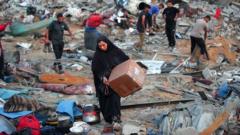
Hamas Disarmament Plan: A Complex Path Forward
The Hamas disarmament plan represents a pivotal moment in the search for lasting stability in the Middle East, though significant obstacles remain in its implementation. Experts acknowledge that while a Hamas disarmament plan could fundamentally reshape the region's political landscape, the intricate web of political interests, military realities, and decades of mistrust make any concrete progress extraordinarily difficult to achieve.
Understanding the Political Landscape
The complexities surrounding a potential Hamas disarmament plan extend far beyond military considerations. Political dynamics in the region have created an environment where multiple stakeholders hold divergent interests and competing objectives. These political realities form the foundation upon which any disarmament framework must be constructed, yet they simultaneously present formidable barriers to successful negotiation and implementation.
Trust Deficit Among Parties
Zero trust characterizes the current state of relations between the primary actors involved in discussions about a Hamas disarmament plan. Historical grievances, broken agreements, and repeated cycles of violence have created an atmosphere where confidence-building measures appear almost impossible. Each party approaches negotiations with deep skepticism regarding the intentions and commitments of their counterparts, making verification and enforcement mechanisms critically important components of any potential agreement.
The Human Cost and Its Impact
The deaths of thousands and the widespread destruction across Gaza have created profound humanitarian challenges that complicate negotiations for a Hamas disarmament plan. The human toll of recent conflicts has intensified emotional and political pressures on all involved parties, making rational compromise increasingly difficult. Families displaced by violence, communities struggling to rebuild, and populations traumatized by conflict create a backdrop of suffering that demands resolution while simultaneously complicating diplomatic efforts.
Destruction and Reconstruction Challenges
Gaza's infrastructure has suffered catastrophic damage, and any Hamas disarmament plan must account for the massive reconstruction requirements that lie ahead. The destruction of homes, hospitals, schools, and essential utilities has left millions facing dire humanitarian conditions. Future agreements must address not only military arrangements but also the funding, timeline, and international involvement necessary for rebuilding the territory. This multifaceted approach to reconstruction adds layers of complexity to already-challenging disarmament negotiations.
The Role of External Actors
International involvement in discussions surrounding a Hamas disarmament plan introduces additional variables into an already complicated equation. Regional powers, global superpowers, and international organizations all hold stakes in the outcome, each bringing their own strategic interests and policy objectives. Coordinating these external actors while maintaining focus on the core elements of a Hamas disarmament plan requires diplomatic skill and sustained commitment from all participants.
Potential Benefits Despite Obstacles
Despite the considerable challenges, a successful Hamas disarmament plan could generate transformative outcomes for the region. Reducing militant capabilities would create space for civilian governance, economic development, and genuine reconstruction efforts. The potential for ending cycles of violence and establishing sustainable security arrangements offers prospects for genuine improvement in the lives of millions of Palestinians and Israelis alike. A Hamas disarmament plan that gains acceptance could serve as a model for addressing similar conflicts elsewhere in the world.
Verification and Implementation Framework
Any realistic Hamas disarmament plan must include robust mechanisms for verifying compliance and monitoring adherence to agreed-upon terms. International observers, third-party inspectors, and technology-based monitoring systems would be necessary components of implementation infrastructure. The framework must balance the need for rigorous verification with respect for sovereignty and the practical realities of enforcement in a conflict-affected territory.
Looking Forward: Conditional Optimism
While a Hamas disarmament plan faces formidable obstacles rooted in political rivalries, military capabilities, widespread destruction, and deep mutual distrust, it simultaneously represents a rare opportunity for fundamental change. Success would require unprecedented cooperation, sustained international support, and genuine commitment to implementing difficult agreements. The path forward remains uncertain, yet the potential benefits justify continued diplomatic efforts toward a Hamas disarmament plan that could reshape the entire region's future trajectory and offer genuine hope to populations exhausted by conflict.


