Hamas Disarmament Presents Obstacles Yet Offers Gaza Breakthrough
Bowen analyzes Hamas disarmament challenges and potential solutions. Explore political complexities and cautious optimism for Gaza's future amid destruction.
Hamas Disarmament Plan: Navigating Complex Political Realities
The prospect of Hamas disarmament in Gaza represents a multifaceted challenge that intersects political negotiations, military considerations, and humanitarian concerns. While Hamas disarmament faces substantial impediments, international analysts suggest the framework could provide a meaningful pathway toward stabilization in the region.
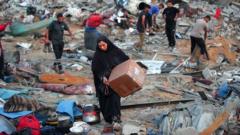
The fundamental complications stem from overlapping layers of mistrust, competing interests, and the profound human cost already incurred throughout the conflict. Thousands of casualties and widespread destruction across Gaza create an environment where traditional diplomatic solutions face unprecedented resistance.
The Core Obstacles to Disarmament Efforts
Several interconnected factors complicate any potential disarmament agreement. First, the deep-rooted zero-trust dynamic between all parties involved means verification mechanisms must be exceptionally robust. Neither side possesses confidence in the other's commitment to honoring agreements.
The destruction of Gaza's infrastructure adds another layer of complexity to disarmament discussions. Without adequate resources for reconstruction and economic rehabilitation, incentives for participation in any agreement diminish significantly. Local populations must perceive tangible benefits before supporting disarmament initiatives.
Political Dimensions
Political actors operate within constrained environments where demonstrating strength remains paramount. Hamas leadership faces pressure from hardline factions that oppose any disarmament proposal perceived as capitulation. Similarly, other regional and international stakeholders maintain strategic interests that may not align with comprehensive disarmament.
Military Realities
The military dimension presents distinct challenges. Hamas maintains organizational structures adapted to prolonged conflict, with weapons caches distributed throughout densely populated areas. Identifying and neutralizing all weaponry requires cooperation from communities that may harbor sympathies for the organization.
Rare Glimmers of Optimism
Despite formidable obstacles, this disarmament framework offers unprecedented opportunities. International observers note that structured negotiations provide mechanisms for addressing grievances while establishing security guarantees for involved parties.
The potential benefits include humanitarian relief delivery without military complications, reconstruction initiatives that generate employment, and reduced violence affecting civilian populations. These outcomes could gradually rebuild trust and create conditions for sustainable peace.
Reconstruction as Peace Foundation
Experts emphasize that successful disarmament must accompany robust reconstruction efforts. Investment in schools, hospitals, and infrastructure directly addresses root causes of radicalization and generates public support for peaceful coexistence.
Economic opportunities emerging from reconstruction projects could incentivize participation in disarmament programs. Employment, education, and basic services provide alternatives to militant organizations for young populations.
International Role and Guarantees
International involvement proves essential for any viable disarmament arrangement. Third-party monitors, verification teams, and security guarantors must operate with credibility and impartiality. External stakeholders can facilitate trust-building measures that local actors cannot achieve independently.
Successful models from other conflicts demonstrate that external pressure combined with local incentives produces better outcomes than unilateral approaches.
Conclusion: Difficult Yet Possible
The path toward Hamas disarmament remains extraordinarily complicated, demanding unprecedented cooperation and commitment from multiple parties. Yet this framework represents a breakthrough opportunity precisely because it acknowledges existing obstacles while proposing structured solutions. Success requires patience, resources, and unwavering international commitment to supporting implementation across all phases of disarmament and reconstruction initiatives.


