Hamas Disarmament Plan Encounters Major Hurdles Despite Providing Gaza Hope
Explore the complex challenges facing Hamas disarmament initiatives in Gaza. Political obstacles, war realities, and mistrust threaten potential peace agreement...
Hamas Disarmament Initiative Presents Complex Challenges
The prospect of Hamas disarmament in Gaza represents one of the most intricate geopolitical challenges facing international negotiators today. While Hamas disarmament efforts offer a glimmer of optimism for regional stability, numerous substantial obstacles threaten to derail meaningful progress toward lasting peace in the territory.
The framework for addressing Hamas disarmament requires navigating through a labyrinth of political complications, military considerations, and deeply rooted tensions that have defined the conflict for decades. Stakeholders involved recognize that any viable pathway toward Hamas disarmament must acknowledge the stark realities confronting the region.
Political Complexity and Trust Deficits
The political landscape surrounding potential Hamas disarmament agreements remains extraordinarily complicated. Decades of conflict have created profound skepticism among all parties involved, making confidence-building measures exceptionally difficult to implement effectively. Trust deficits extend across multiple dimensions—between international mediators, regional actors, and the local population affected by ongoing violence.
Political factions holding divergent interests continue to complicate negotiations. Different stakeholders maintain competing visions regarding security arrangements, territorial sovereignty, and governance structures. These competing priorities create significant friction points that could potentially undermine consensus-building efforts necessary for sustainable agreements.
The Human Cost and Destruction
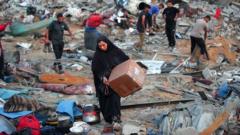
The humanitarian toll of prolonged conflict directly influences negotiations regarding Hamas disarmament. Thousands of casualties have been documented throughout the ongoing violence, leaving communities traumatized and emotionally exhausted. The extensive destruction of civilian infrastructure throughout Gaza has created immense suffering among populations already facing severe economic hardship.
Rebuilding efforts and accountability for civilian losses remain contentious issues that cannot be ignored in disarmament discussions. Families affected by the conflict demand justice and compensation, complicating the path toward reconciliation and agreement. These deeply personal dimensions of the conflict inject additional layers of complexity into technical negotiations.
Military Realities and Security Concerns
The military dimension of Hamas disarmament presents formidable technical challenges. Weapons caches dispersed throughout Gaza require careful identification, documentation, and secure removal. Verification mechanisms must satisfy security requirements of multiple parties while maintaining transparency sufficient to build confidence.
Questions regarding timeline, implementation, and enforcement of disarmament agreements remain contentious. International observers worry about the possibility of concealed weapons or alternative procurement channels. Security establishments express legitimate concerns about potential gaps in verification procedures that could undermine agreements.
Rare Opportunities for Progress
Despite these substantial obstacles, current initiatives surrounding Hamas disarmament offer unprecedented opportunities for meaningful advancement. International diplomatic engagement has intensified, bringing renewed attention and resources to potential solutions. Regional actors demonstrate increased willingness to consider innovative frameworks previously considered impractical.
The convergence of international pressure, humanitarian concerns, and exhaustion from prolonged conflict has created conditions where breakthrough agreements might become possible. Key stakeholders recognize that the status quo remains untenable for all parties involved. This shared understanding provides foundation for constructive dialogue.
Path Forward for Gaza Stability
Successfully implementing Hamas disarmament agreements requires sustained commitment from international community, regional partners, and local stakeholders. Phased approaches with clear benchmarks and accountability mechanisms offer practical frameworks for managing complexities. Transparent monitoring systems can help verify compliance while addressing security concerns.
The path toward comprehensive agreements addressing Hamas disarmament remains uncertain but not impossible. Progress depends on genuine commitment to negotiation, willingness to compromise on secondary issues, and recognition that mutual security concerns justify reciprocal accommodation. The stakes—involving thousands of lives and regional stability—justify continued diplomatic persistence despite apparent obstacles.


