Funeral Director Sentenced to 20 Years for Failing to Bury Bodies
Funeral director Robert Bush receives 20-year prison sentence for failing to bury and cremate bodies, giving bereaved families ashes of strangers.
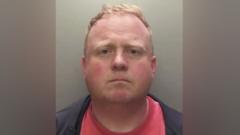
Funeral Director Receives 20-Year Prison Sentence for Cremation and Burial Failures
A prominent funeral director has been sentenced to two decades in prison following a shocking scandal involving the mishandling of deceased remains. The case of this funeral director represents one of the most serious violations of trust within the funeral services industry, as families discovered their loved ones were never properly buried or cremated.
The Scope of the Criminal Operation
The investigation revealed that the funeral director engaged in systematic failures to properly process bodies entrusted to his care. Families who paid substantial fees for burial services discovered their relatives' remains were never interred as promised. Instead of receiving the respectful treatment they expected, the deceased were left unprocessed for extended periods.
Cremation Fraud and Misidentified Remains
Perhaps most disturbing to grieving relatives was the discovery that cremation services were fraudulently handled. When families returned to collect the ashes of their loved ones, they received cremated remains that did not belong to their deceased family members. This cruel deception compounded the emotional trauma already experienced by bereaved families facing the loss of their relatives.
Impact on Grieving Families
The emotional and psychological damage inflicted upon these families cannot be overstated. Relatives who sought closure and performed final respects discovered they had been deceived. The discovery that they had scattered or memorialized the ashes of complete strangers added profound humiliation to their grief.
Criminal Investigation and Evidence
Law enforcement conducted an extensive investigation into the funeral director's operations. The evidence presented during trial documented numerous instances where proper burial procedures were not followed. Forensic investigations and family DNA testing confirmed that cremated remains had been systematically misidentified and distributed to wrong families.
Records and Documentation Failures
A critical element of the prosecution's case involved the funeral director's failure to maintain proper records. Regulatory requirements mandate meticulous documentation of deceased individuals and their processing. The complete absence of adequate records made it impossible for families to determine what actually happened to their loved ones.
Sentencing and Justice
The 20-year prison sentence reflects the severity of the crimes committed. The court recognized both the systematic nature of the violations and the profound breach of public trust. A funeral director holds one of society's most sacred responsibilities: treating the deceased with dignity and providing families with the respectful closure they deserve.
Legal Precedent
This case establishes important legal precedent regarding funeral industry accountability. The conviction demonstrates that funeral professionals cannot exploit their position of trust without facing serious criminal consequences. Regulatory bodies nationwide have reviewed their oversight procedures in response to this scandal.
Industry Oversight and Reform
Following this case, funeral industry regulators have implemented stricter inspection protocols. Requirements for proper documentation, body identification procedures, and cremation verification have been enhanced. These reforms aim to prevent similar abuses and protect families from exploitation.
Family Advocacy and Support
Affected families have become advocates for stronger consumer protections within the funeral services sector. Their experiences have highlighted gaps in regulation and the critical need for independent verification procedures. Support organizations have emerged to assist families who discovered they received incorrect remains.
Ongoing Impact and Closure
The lengthy prison sentence provides some measure of justice, though no penalty can fully restore what these families lost. Many continue the difficult process of reconciling their grief with the discovery that proper funeral services were never provided. The case serves as a stark reminder of the importance of regulatory oversight and accountability in industries handling human remains.
This criminal case represents a watershed moment for funeral industry regulation and consumer protection, ensuring that such egregious violations of trust and dignity cannot occur undetected in the future.


