Funeral Director Sentenced to 20 Years for Failing to Bury Bodies
Funeral director Robert Bush received a 20-year sentence for failing to bury bodies and cremating remains improperly. Read the full story.
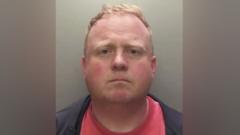
Funeral Director Faces Lengthy Prison Term
A prominent funeral director has been condemned to two decades in prison following a shocking investigation that revealed systematic failures in managing deceased individuals. The funeral director sentenced to this substantial penalty operated a facility where proper burial procedures were consistently neglected, leaving grieving families without closure and proper handling of their loved ones.
The case centers on the operations of a funeral establishment where bodies scheduled for burial remained unprocessed for extended periods. Rather than following standard protocols, the funeral director sentenced his clients to heartbreak by failing to execute promised services. Investigators uncovered documentation showing that numerous families had paid for burial arrangements that were never completed, representing a profound breach of trust during their most vulnerable moments.
Cremation Services and Misidentified Remains
Beyond the failures in burial services, the investigation revealed equally disturbing practices involving cremation. The funeral director not only neglected burial responsibilities but also engaged in cremation procedures that deviated from established protocols. Most alarmingly, families received ashes belonging to completely unrelated individuals—a practice that compounded the emotional devastation experienced by bereaved relatives.
The switching of remains represents one of the most severe violations imaginable in funeral service operations. Families who received ashes in memorial services unknowingly possessed the cremated remains of strangers, while the actual remains of their loved ones were either mishandled or unaccounted for. This practice violated fundamental ethical standards and legal requirements governing the funeral industry.
Investigation and Legal Proceedings
Law enforcement officials conducted an extensive investigation into the funeral establishment's operations spanning multiple years. The probe uncovered systematic record-keeping failures, inadequate facility maintenance, and complete disregard for regulatory compliance. Authorities documented numerous cases where families' requests for specific burial and cremation services were accepted and paid for but never fulfilled.
The evidence presented during legal proceedings demonstrated a pattern of negligence that affected dozens of families. Documentation revealed that the funeral director maintained incomplete records, failed to properly identify deceased individuals, and operated the facility with insufficient oversight or quality control measures. Multiple witnesses testified about the emotional trauma inflicted upon relatives who discovered their loved ones had not been properly laid to rest.
Impact on Bereaved Families
The consequences of these actions extended far beyond administrative violations. Families who entrusted their loved ones to the funeral establishment faced unimaginable situations when they learned the truth. Many had already completed memorial services based on false assurances that their relatives had been properly buried or cremated. The realization that they possessed the remains of strangers or that their loved ones remained unburied created lasting psychological damage.
Support organizations for bereaved families have highlighted how these violations constitute not merely service failures but criminal betrayals of trust during times of profound grief. The funeral industry operates on implicit faith that providers will honor the sacred responsibility of handling human remains with dignity and respect.
Sentencing and Industry Implications
The 20-year prison sentence reflects the severity of the crimes committed and the extent of harm caused to vulnerable families. The court determined that the systematic nature of the violations and the funeral director's apparent indifference to the consequences warranted substantial incarceration. This landmark case has prompted regulatory bodies to examine oversight mechanisms within the funeral service industry.
Industry associations have begun implementing enhanced training requirements and more rigorous inspection protocols to prevent similar abuses. Funeral licensing boards across multiple jurisdictions have strengthened regulations regarding record-keeping, body identification procedures, and cremation protocols. Families are being encouraged to request detailed documentation and periodic verification of arrangements to protect themselves from potential service failures.


