Funeral Director Jailed 20 Years for Failing to Bury Bodies
A disgraced funeral director received a 20-year sentence for failing to bury bodies and cremating remains improperly, devastating grieving families.
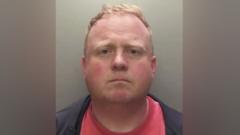
Funeral Director Sentenced to 20 Years in Prison
A prominent funeral director has been convicted and sentenced to two decades in prison following a catastrophic failure to provide proper burial and cremation services to grieving families. The funeral director jailed case represents one of the most serious violations of trust within the funeral services industry, leaving countless bereaved relatives emotionally traumatized and their loved ones' remains mishandled.
Widespread Neglect of Burial Obligations
The investigation revealed systematic negligence in handling deceased individuals throughout the funeral home's operations. Instead of fulfilling contractual obligations to properly bury bodies, the funeral establishment allowed remains to accumulate without appropriate care or burial procedures. Families paid substantial fees believing their loved ones would receive dignified final arrangements, only to discover months or years later that burials never took place.
This breach of professional responsibility extended across numerous cases, affecting families from various socioeconomic backgrounds. The funeral director's failure to bury bodies represented a fundamental violation of ethical standards and legal requirements governing funeral service providers. Investigators uncovered documentation showing the funeral director deliberately misrepresented completion of burial services to unsuspecting families.
Cremation Fraud and Wrongful Ashes Distribution
Beyond burial failures, the funeral director engaged in equally disturbing cremation practices that compounded the emotional devastation for grieving relatives. Families requested cremation services for their deceased loved ones, expecting to receive their remains in the form of ashes. However, the funeral director provided ashes of strangers to families, either through careless commingling of remains or intentional deception.
This cremation fraud created additional layers of anguish for bereaved individuals already vulnerable from their loss. Relatives unknowingly received the cremated remains of completely unrelated individuals, destroying the sanctity and meaning of their final farewells. Some families discovered the deception when they attempted to scatter ashes in meaningful locations or encountered physical inconsistencies with their loved ones' characteristics.
Criminal Conviction and Sentencing
After a comprehensive investigation and criminal trial, the funeral director faced multiple serious charges related to mishandling remains, defrauding families, and violating federal regulations governing funeral service operations. The prosecution presented compelling evidence documenting systematic violations across numerous cases spanning several years.
The judge imposed a 20-year prison sentence, reflecting the severity of crimes against grieving families during their most vulnerable moments. This substantial penalty underscores the judiciary's recognition that betraying families' trust while handling deceased loved ones represents a grave criminal offense warranting significant incarceration.
Impact on Bereaved Families
The revelation of these crimes devastated hundreds of families across the region who had entrusted their loved ones' final arrangements to this funeral establishment. Many families experienced not only the trauma of losing someone but also the secondary trauma of discovering their funeral arrangements were fraudulently mishandled.
Bereaved individuals reported struggling with unresolved grief, uncertainty about their loved ones' actual remains status, and difficulty achieving closure. Support organizations dedicated to assisting grieving families provided counseling and resources to those affected by this criminal enterprise. The psychological toll on these families continues years after the initial discoveries.
Regulatory Changes and Industry Impact
This scandal prompted funeral industry regulators and state licensing boards to implement enhanced oversight procedures and mandatory accountability standards. Funeral homes now face stricter inspection protocols, improved documentation requirements, and enhanced consumer protection mechanisms designed to prevent similar violations.
The case serves as a sobering reminder of the importance of licensing standards, regular inspections, and consumer protection measures within funeral service industries. State officials emphasized that reputable funeral directors uphold the highest ethical standards while serving families during life's most difficult transitions.
Conclusion
The conviction and 20-year sentence of this funeral director marks a significant moment in the funeral services industry, highlighting the critical importance of professional accountability and regulatory oversight. The funeral director jailed for failing to bury bodies and distributing incorrect cremated remains to families demonstrates that serious consequences exist for exploiting bereaved individuals' vulnerability and trust during their most grievous loss.


