Former Peru President Ollanta Humala Freed After Corruption Conviction Overturned
Ollanta Humala, Peru's ex-president, has been released from jail after his 15-year corruption conviction was overturned. Read the latest developments in this ma...
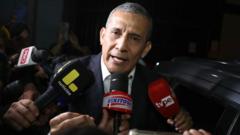
Ollanta Humala Corruption Conviction Overturned: Ex-President Released
Ollanta Humala, Peru's former president, has been released from incarceration following a significant legal development in which his corruption conviction has been overturned. The reversal of the 15-year sentence marks a turning point in a high-profile case that has captured national and international attention regarding judicial proceedings in Peru and the accountability of high-ranking political figures.
Background of the Money Laundering Case
The ex-president had been convicted in 2025 on money laundering offences, a charge that also implicated his wife in the proceedings. The original conviction was part of a broader crackdown on corruption within Peru's political establishment, reflecting growing concerns about financial crimes and illicit fund transfers by government officials. The case against Humala encompassed allegations related to undisclosed funding sources and irregular financial transactions during his tenure in office.
Legal Grounds for the Conviction Reversal
The overturning of Ollanta Humala corruption conviction overturned represents a significant judicial intervention in the case. The decision to annul the sentence indicates that the appeals court or relevant judicial body identified procedural irregularities, insufficient evidence, or violations of legal protocols in the original trial. Such reversals typically occur when higher courts determine that fundamental legal principles were not adequately observed during the initial proceedings.
Implications for Peru's Justice System
This development raises important questions about the strength and consistency of Peru's legal framework in prosecuting corruption cases. The reversal of a conviction for such a prominent political figure may influence how future cases are handled and could prompt reviews of similar proceedings. It also underscores the complexity of pursuing corruption charges against individuals with significant political influence and resources for legal defense.
Impact on Ollanta Humala's Political Legacy
Ollanta Humala's release after the corruption conviction being overturned could potentially reshape public perception of his presidency and personal reputation. The ex-president, who served as Peru's head of state during a significant period, had faced substantial legal scrutiny following his time in office. The overturned conviction may provide him with an opportunity to clear his name, though the political and social ramifications of his administration's policies will likely remain subjects of public debate.
Conditions and Next Steps
While Humala has been released from jail, the overturning of the conviction does not necessarily mean all legal matters have been conclusively resolved. Additional proceedings, retrials, or continued investigations may be possible depending on the specific legal framework and the grounds cited in the decision. The ex-president may face further judicial scrutiny or alternative charges in connection with his tenure and financial dealings.
Broader Context of Corruption Cases in Peru
Peru has experienced numerous high-profile corruption cases involving former presidents and government officials in recent years. The reversal of Ollanta Humala corruption conviction overturned fits within a larger pattern of complicated and contested judicial outcomes in the nation's anti-corruption efforts. These cases often involve lengthy appeals processes, questions about evidence reliability, and debates about the independence of the judiciary.
The release of Ollanta Humala following the overturning of his conviction represents a critical moment in Peru's ongoing struggle to balance accountability with the principles of due process and justice. As the case continues to develop, it will likely remain a focal point for discussions about the effectiveness of Peru's legal system and the treatment of high-level political actors accused of financial crimes.


