Dover Vigilantes Threaten New Blockades Unless Police Enforce Action
Far-right linked group warns of repeated Dover road blockades. Patriot Platform claims responsibility for masked demonstrations blocking port access in Kent.
Dover Vigilantes Warn of Escalating Disruptions
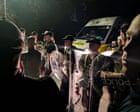
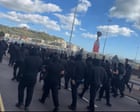
The emergence of organized Dover vigilantes poses a significant challenge to law enforcement and local authorities. Recently, coordinated groups of masked, black-clad activists blockaded critical roads leading to the Port of Dover, creating substantial disruption to traffic and commerce. Unless police substantially increase enforcement measures and preventive strategies, these Dover vigilantes indicate they will orchestrate additional demonstrations of comparable scale and disruptive impact.
The recent incident has prompted urgent calls from elected officials and civil rights organizations for stronger police intervention. The coordinated nature of these actions demonstrates the capacity of organized groups to mobilize personnel and resources rapidly, leveraging social networks and ideological alignment to achieve their objectives.
Patriot Platform Takes Responsibility for Demonstrations
The organization claiming responsibility for the Dover road blockade has identified itself as Patriot Platform, a politically active group with documented connections to far-right movements and anti-immigration activism. The organization presents itself publicly as embodying a "fierce love for our homeland," framing its activism within nationalist rhetoric and homeland security narratives.
Patriot Platform's assertion of responsibility indicates deliberate organizational coordination rather than spontaneous protest activity. The group's ability to mobilize significant numbers of participants, coordinate logistics, and execute synchronized actions across multiple locations suggests structured leadership and established communication networks.
Police Capacity and Response Concerns
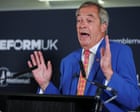
Hope Not Hate, a prominent campaign organization focused on combating extremism, has raised critical concerns regarding police preparedness and response capacity. According to the organization's founder, the far-right linked group's demonstrated ability to mobilize at significant scale directly reflects insufficient police intervention and enforcement actions. The perception of limited police deterrence may embolden additional demonstrations and escalate activist confidence in their capacity to conduct future blockades without substantial legal consequences.
Police forces managing the Kent region face mounting pressure to demonstrate concrete preventive measures and enhanced enforcement strategies. The visibility of recent blockades, combined with media coverage and political attention, has created expectations for accelerated police responses to future demonstrations by these groups.
Political Figures Condemn Tactics and Call for Action
Politicians representing affected constituencies have publicly condemned the blockade tactics employed by these masked activists. The disruption to commercial transportation, port operations, and civilian traffic has generated significant political pressure for stronger governmental and law enforcement responses. Several lawmakers have emphasized the unacceptability of vigilante actions and the necessity for police forces to prioritize prevention and swift intervention.
The intersection of anti-immigration rhetoric, nationalist activism, and tactical disruption has created a complex situation requiring coordinated responses from multiple governmental agencies and law enforcement entities.
Broader Implications for Public Safety and Civil Order
The Dover blockade incidents represent a broader pattern of organized activism by anti-immigration groups seeking to influence public discourse and policy through demonstrations and disruptive tactics. The success of previous demonstrations in generating media attention and political responses may incentivize similar groups to pursue comparable strategies in other locations.
Civil liberties organizations and law enforcement agencies face challenging questions regarding the balance between protecting lawful assembly rights and preventing unlawful obstruction of public spaces and commercial infrastructure. The identification of participants through facial features, clothing, and coordinated timing offers investigative opportunities for police forces seeking to identify and pursue legal actions against organizers and participants.
Future Prospects and Escalation Risks
The explicit warnings from Patriot Platform regarding future blockades establish a clear trajectory for potential escalation. Unless substantial changes occur in police enforcement strategies, political responses, and public counter-mobilization, additional demonstrations remain probable. The group's confidence in its capacity to organize large-scale disruptions suggests that tactical innovations and increased participation may characterize future actions.
Campaign organizations, civil society groups, and law enforcement agencies continue developing coordinated responses to address far-right activism while protecting fundamental democratic freedoms and public safety. The situation at Dover represents a critical test case for governmental capacity to respond effectively to organized activism by extremist-linked organizations without infringing upon lawful protest activities.