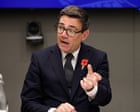
Burnham Doubles Homelessness Funding to Nearly £900m
Andy Burnham increases rough sleeping support to £900m with £432m new allocation, targeting street homelessness elimination by Christmas across England.

Major Investment Boost in Rough Sleeping Funding
The government has announced a substantial expansion in rough sleeping funding, committing nearly £900m to tackle street homelessness across England. This significant increase represents a doubling of resources dedicated to finding lasting solutions for people experiencing rough sleeping, marking a pivotal moment in the national approach to homelessness.
Andy Burnham has unveiled plans to direct unprecedented levels of investment toward rough sleeping initiatives, with Downing Street allocating an additional £432m through this week's budget. This new injection of capital brings the total rough sleeping funding commitment to nearly £900m by the conclusion of the current parliamentary term, demonstrating a strengthened political commitment to addressing one of society's most pressing social challenges.
Strategic Push for Christmas Street Clearance
The escalated rough sleeping intervention strategy forms part of a coordinated effort to clear streets by Christmas, with officials intensifying support mechanisms across multiple regions. The prime minister has made explicit commitments to provide every individual experiencing rough sleeping in England with either a safe pathway out of street homelessness or access to comprehensive wider support systems.
This comprehensive approach to rough sleeping reflects recognition that sustainable solutions require multifaceted interventions beyond temporary shelter provisions. The rough sleeping funding allocation demonstrates intent to implement evidence-based strategies that address root causes rather than merely managing symptoms of homelessness.
Government's Homelessness Reduction Framework
The expanded rough sleeping budget supports an integrated framework aimed at sustainable homelessness reduction. By positioning rough sleeping interventions as central to the prime minister's governing agenda, the administration signals that homelessness represents a priority concern requiring substantial financial commitment and coordinated delivery mechanisms.
The nearly £900m investment in rough sleeping represents one of the largest dedicated allocations for street homelessness support in recent UK history. This capital injection enables local authorities, charitable organizations, and support services to expand their capacity significantly, reaching more individuals experiencing rough sleeping with emergency assistance, accommodation pathways, and rehabilitative services.
Implementation and Expected Outcomes
The rough sleeping funding framework encompasses emergency accommodation provision, mental health support, addiction treatment services, employment training, and housing-first initiatives designed to transition individuals from rough sleeping to stable accommodation. These comprehensive interventions address the interconnected factors contributing to rough sleeping, including poverty, mental illness, substance dependency, and lack of employment opportunities.
Through the current parliamentary term, rough sleeping support will be delivered via partnerships between government departments, local councils, housing associations, and voluntary sector organizations. The coordinated approach to rough sleeping ensures resources reach communities with highest concentrations of street homelessness while maintaining flexibility for localized adaptation.
Political Commitment to Social Justice
Andy Burnham's commitment to doubling rough sleeping resources underscores governmental recognition that effective homelessness solutions require sustained investment and political will. The nearly £900m allocated to rough sleeping initiatives represents tangible evidence of commitment to ending street homelessness rather than perpetuating cyclical poverty.
This substantial rough sleeping budget expansion positions the government's homelessness agenda alongside other major spending priorities, indicating that social welfare represents a central governing concern. The additional £432m allocated in this budget cycle specifically targets immediate rough sleeping interventions while building longer-term homelessness prevention infrastructure.